
What to Check Before Hiring a 4×4 Rental Car in Kenya/ Kenya 4×4 self drive
Hiring a 4×4 rental car in Kenya is an excellent way to explore the country’s wildlife destinations, scenic countryside, and vibrant cities at your own pace. Whether you are planning a self-drive safari to the Masai Mara, a road trip to Amboseli, or an extended adventure across East Africa, choosing the right vehicle requires more than comparing rental prices.
A reliable safari vehicle should match your route, passenger numbers, luggage, and driving experience. You also need to understand the insurance terms, rental agreement, roadside assistance, and any restrictions that could affect your journey.
At Kenya 4×4 Self Drive, we encourage travellers to make informed decisions before confirming a booking. This guide explains what to check before hiring a 4×4 rental car in Kenya so you can prepare for a safer, more comfortable, and better-organised adventure.
1. Choose the Right 4×4 Vehicle for Your Journey
The first step when booking a 4×4 car rental in Kenya is identifying the vehicle that suits your itinerary. Not every four-wheel-drive vehicle is designed for the same conditions, and a vehicle suitable for city travel may not be the best option for demanding safari routes.
A Toyota Land Cruiser Hardtop may suit rugged adventures, while a Toyota Land Cruiser Prado can offer a comfortable balance for road trips and selected safari routes. A Land Cruiser fitted with rooftop tents may be ideal for travellers planning a camping safari.
Before making a reservation, confirm the vehicle’s ground clearance, transmission, seating capacity, luggage space, fuel type, and suitability for your intended destinations.
If your itinerary includes the Masai Mara, Tsavo, Amboseli, or remote countryside, ask the rental company whether the specific vehicle is appropriate for the anticipated road conditions and any applicable access restrictions.
2. Inspect the Vehicle’s Mechanical Condition
One of the most important things to check before hiring a 4×4 rental car in Kenya is its mechanical condition. A breakdown can disrupt your itinerary, especially when travelling far from major towns or repair facilities.
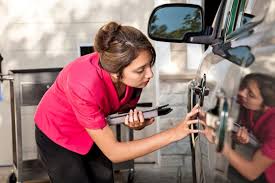
Before accepting the vehicle, inspect the tyres, spare wheel, brakes, lights, windscreen, mirrors, and visible bodywork. Ask the rental representative to confirm that routine servicing has been completed and that the vehicle is suitable for your planned journey.
Check that the jack, wheel-changing tools, and any supplied recovery equipment are present. If you are unfamiliar with four-wheel-drive systems, ask how to operate them safely and when different settings should be used.
Photograph existing scratches, dents, and other damage before departure. Ensure these are recorded on the vehicle inspection form so both parties have a clear record of the vehicle’s condition.
3. Understand the Rental Price and What It Includes
The cheapest advertised daily rate is not necessarily the most affordable option overall. When comparing 4×4 car hire prices in Kenya, ask for a written quotation showing the complete cost of your rental.
Confirm whether the rate includes unlimited mileage, additional drivers, camping equipment, roadside assistance, or delivery and collection arrangements. These inclusions vary between rental providers.
Also establish which expenses are payable separately, including fuel, parking, tolls, accommodation, national park fees, and campsite charges. If you are hiring a 4×4 with a driver, clarify whether the driver’s meals, accommodation, and other agreed expenses are included.
For longer rentals, ask whether different rates apply to weekly or extended bookings. Understanding the full cost before paying a deposit helps you plan your travel budget more accurately.
4. Read the Insurance Policy and Accident Excess Carefully
Insurance is an essential consideration when hiring a safari vehicle. Never assume that a vehicle described as insured automatically protects you against every possible expense.
Ask what the insurance covers, the amount of the accident excess, and whether separate conditions apply to theft, rollover, tyres, windscreens, underbody damage, or recovery from difficult terrain.
You should also establish whether the policy covers driving on unpaved roads and visiting your intended destinations. Water damage, negligence, unauthorised driving, and certain types of off-road use may be excluded, depending on the policy.
Request the relevant terms in writing and read the rental agreement before signing. If anything is unclear, ask for an explanation before collecting the vehicle.
5. Check the Rental Agreement and Driving Requirements
Before confirming a self-drive car rental in Kenya, review the rental agreement carefully. It should explain the rental period, payment arrangements, permitted drivers, mileage conditions, fuel policy, vehicle return requirements, and procedures for reporting accidents or breakdowns.
Ask which driving documents are required. International visitors should confirm whether their home-country driving licence is accepted for their circumstances and whether an International Driving Permit or other documentation is required.
Check the minimum driver age and any minimum driving-experience requirements imposed by the rental company or its insurer.
Pay particular attention to restrictions on night driving, unauthorised routes, vehicle use, and driving outside Kenya. A clear understanding of these conditions can prevent unexpected charges and misunderstandings during your trip.
6. Confirm Roadside Assistance and Emergency Support
A dependable 4×4 car rental company should explain what happens if the vehicle develops a mechanical problem during your journey.
Before departure, obtain the company’s emergency contact details and ask whether roadside assistance, mechanical support, or vehicle recovery is available along your planned route.
Find out how to report a breakdown, what costs may apply, and whether a replacement vehicle can be arranged if the original vehicle cannot be repaired promptly.
Travellers heading to remote destinations should also plan fuel stops, carry sufficient drinking water, and download offline maps where mobile coverage may be unreliable. Good preparation is particularly important when travelling between parks or through sparsely populated areas.
7. Check Camping Equipment and Rooftop Tent Conditions
If you are planning a camping safari, inspect all equipment supplied with your 4×4 rental vehicle. A rooftop tent package may include a tent, mattress, cooking utensils, chairs, a table, or other camping essentials, depending on the rental agreement.
Ask for an itemised equipment list before booking and confirm the number of people each tent can accommodate. At collection, check that the tent opens and closes properly and that the supplied equipment is in usable condition.
Also clarify whether the rental price includes a fridge, extra fuel container, camping chairs, or other optional accessories. These items may carry additional charges.
Remember that camping must take place at authorised sites or locations where overnight stays are permitted.
8. Verify Cross-Border Travel Requirements
Kenya 4×4 Self Drive serves travellers interested in journeys across Kenya and the wider East African region. However, taking a rental vehicle across an international border requires advance approval.
If you intend to travel to Uganda, Tanzania, or Rwanda, obtain written confirmation that your particular vehicle is authorised for cross-border use. Ask which insurance documents, vehicle permissions, and border paperwork will be supplied.
Confirm any additional fees, country-specific restrictions, and national park requirements before paying for the rental. Do not assume that permission to drive a vehicle in Kenya automatically allows you to use it in another country.
9. Choose a Rental Company That Communicates Clearly
A professional rental experience begins before you collect the keys. Choose a company that provides clear quotations, explains its insurance terms, answers questions about the vehicle, and gives you written confirmation of the booking.
Check that the company can supply the vehicle you need on your intended dates. If your journey requires camping equipment, airport delivery, a professional driver, or cross-border travel, discuss these arrangements in advance.
Clear communication helps you compare rental providers fairly and reduces the risk of discovering important restrictions after your safari has begun.
Book Your 4×4 Rental Car in Kenya with Confidence
The best 4×4 rental car for your Kenyan adventure is one that combines suitable off-road capability, good mechanical condition, transparent rental terms, and dependable support. Taking time to inspect the vehicle, understand the insurance, confirm the total price, and check travel restrictions can make a meaningful difference to your experience.
At Kenya 4×4 Self Drive, we help travellers explore Kenya and other East African destinations with vehicle options for self-drive safaris, camping holidays, and extended road trips, subject to availability and applicable travel requirements.
Before booking, share your travel dates, planned route, number of passengers, and preferred vehicle type. Our team can help you enquire about suitable options and understand the rental arrangements for your journey.
Plan carefully, choose the right 4×4, and prepare for an unforgettable journey through Kenya and East Africa.